
Retatrutide & Fuel Metabolism: Why Weight Loss Is More Than Eating Less
21 Jul 2026
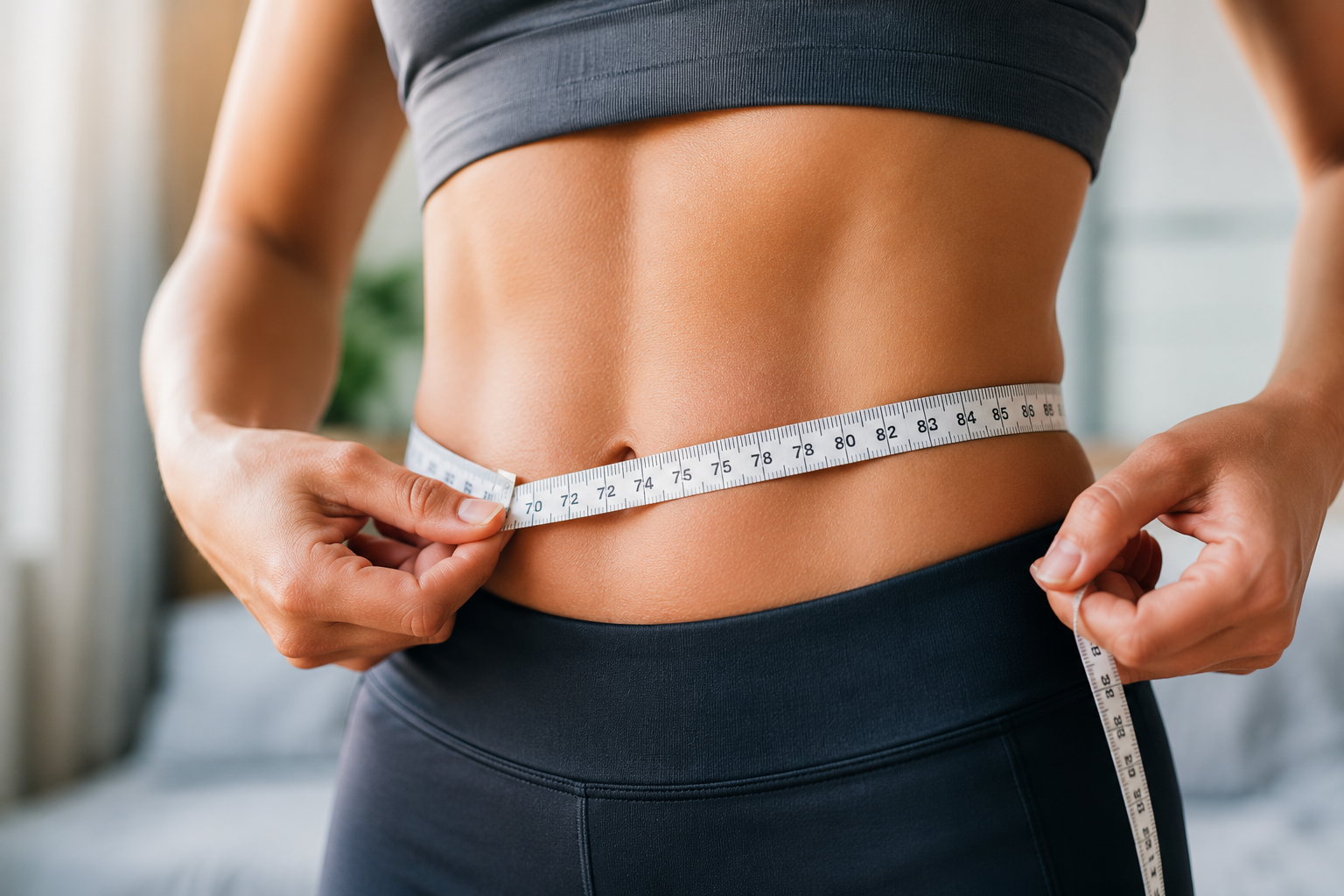
What happens to fat, muscle and fuel metabolism when appetite falls dramatically?
It is easy to think of weight loss as a simple equation:
Eat less. Lose weight.
Biologically, it is considerably more complicated.
The human body doesn't just store and burn “calories”. It continuously switches between different fuels — glucose, glycogen, fatty acids and, under certain circumstances, amino acids — depending on food availability, activity, hormones and energy demand.
This is one reason retatrutide has become such an interesting area of metabolic research.
Unlike medicines that act only at the GLP-1 receptor, retatrutide activates three hormone receptors:
GLP-1 + GIP + glucagon.
The first two influence appetite, glucose regulation and nutrient metabolism.
The addition of the glucagon receptor introduces another dimension: signalling involved in hepatic glucose production, lipid metabolism, substrate utilisation and energy expenditure.
But this doesn't mean retatrutide simply turns on a “fat-burning switch”.
The real biology is much more interesting.
Your Body Has More Than One Fuel Tank
After eating carbohydrate, glucose enters the bloodstream and can be used immediately for energy.
Some is also stored as glycogen, primarily in the liver and skeletal muscle.
Think of glycogen as readily accessible stored carbohydrate.
When energy is required between meals, during fasting or during exercise, the body can draw upon its stored fuels.
But liver glycogen and muscle glycogen have different jobs.
Liver glycogen helps maintain circulating blood glucose.
Muscle glycogen is predominantly stored for use by the muscle itself during activity.
And when glycogen availability falls, the body doesn't simply run out of energy.
It changes fuel strategy.
Enter Glucagon
Glucagon is a hormone produced by the pancreas.
One of its best-known jobs is preventing blood glucose from falling too far.
When glucose availability decreases, glucagon signals the liver to increase glucose availability.
It can do this through two major processes.
Glycogenolysis
Stored liver glycogen is broken down to release glucose.
Gluconeogenesis
The liver produces new glucose from non-carbohydrate precursors, including lactate, glycerol and certain amino acids.
But glucagon's biology extends beyond glucose.
It also influences lipid metabolism, amino-acid metabolism and energy expenditure.
This is why adding glucagon-receptor activity to GLP-1 and GIP agonism has attracted so much scientific interest.
Researchers are essentially asking:
Can we combine appetite regulation with additional metabolic signalling affecting how the body handles and uses energy?
Why Retatrutide Is Different
GLP-1 signalling can substantially reduce appetite and food intake.
GIP participates in glucose-dependent insulin secretion and nutrient metabolism.
Retatrutide combines those pathways with glucagon-receptor agonism.
That creates an unusual biological combination.
Glucagon acting alone can increase hepatic glucose production.
GLP-1 and GIP signalling, meanwhile, influence glucose-dependent insulin responses and other aspects of glycaemic control.
Rather than looking at any one receptor in isolation, retatrutide therefore needs to be understood as a coordinated triple-receptor system.
The net metabolic outcome depends on the interaction between all three pathways.
And the clinical results so far suggest those interactions can produce substantial changes in body weight and metabolic health.
What Happens to the Weight We Lose?
This is one of the most important questions in modern weight-loss research.
Because:
Weight loss and fat loss aren't exactly the same thing.
When body weight decreases substantially, some of that weight normally comes from fat.
But some can also come from lean mass.
Lean mass includes skeletal muscle, but also water, organs, connective tissues and other non-fat tissues. So a reduction in measured lean mass should not automatically be described as pure “muscle loss”.
Nevertheless, preserving skeletal muscle during significant weight loss is important.
And in 2025, researchers published the first dedicated body-composition substudy examining retatrutide.
What Did the Retatrutide Body-Composition Study Find?
The substudy involved 189 adults with type 2 diabetes enrolled in the Phase 2 retatrutide programme.
Researchers used DXA scanning to examine changes in fat and lean mass over 36 weeks.
The reductions in total fat mass were substantial.
Depending on dose, average fat-mass reductions included:
15.2% with 4 mg
26.1% with 8 mg
23.2% with 12 mg
after 36 weeks.
The study also found something important about lean tissue.
Participants did lose some lean mass as their total body weight decreased.
However, the proportion of weight lost as lean mass was similar to that observed with other obesity treatments.
Researchers therefore concluded that despite the greater overall weight reduction seen with retatrutide, there wasn't evidence that a disproportionately greater amount of lean mass was being lost.
That's a useful distinction.
Retatrutide appears to produce substantial fat loss, but it doesn't make preservation of muscle irrelevant.
Losing Weight Doesn't Automatically Mean Losing Muscle
This issue isn't unique to retatrutide.
Lean tissue loss occurs during many forms of significant weight reduction — including conventional calorie restriction.
A 2026 meta-analysis comparing incretin-based therapies with intensive lifestyle interventions found that lean mass represented approximately 25–39% of total weight lost with the incretin therapies studied.
Interestingly, the proportion was broadly comparable with lifestyle-induced weight loss.
But there was one notable difference.
Lifestyle intervention combined with resistance training produced the most favourable lean-mass preservation profile.
That's why modern obesity research is increasingly moving beyond:
“How many kilograms did someone lose?”
towards:
“What did they lose?”
The Quality of Weight Loss Matters
Imagine two people each lose 20 kg.
One loses predominantly adipose tissue while maintaining strength and skeletal muscle.
The other loses considerably more lean tissue and becomes physically weaker.
The scales show the same result.
Biologically, they're not the same outcome.
This is particularly relevant when appetite is strongly suppressed.
Eating substantially less can make it harder to consume enough protein, micronutrients and total nutrition, particularly if food quality isn't considered.
Recent reviews of incretin-based therapies therefore increasingly emphasise nutrition, resistance exercise and preservation of muscle alongside the amount of weight lost.
The objective isn't simply to make the body smaller.
Ideally, weight reduction preferentially reduces excess adipose tissue while maintaining as much healthy functional tissue as possible.
Protein: More Than a Number on a Food Label
Skeletal muscle is metabolically active tissue.
It supports:
strength and physical function glucose disposal mobility metabolic health healthy ageing.
Muscle is also constantly undergoing protein breakdown and synthesis.
During a prolonged energy deficit, providing adequate dietary protein becomes particularly relevant because the body still needs amino acids for normal tissue maintenance and repair.
This doesn't mean everyone using an incretin-based treatment needs an extreme high-protein diet.
Individual requirements vary with age, body size, health, activity and other factors.
But when appetite falls dramatically, nutritional density becomes increasingly important.
Eating less food makes the nutritional quality of the food that remains matter more.
Resistance Training Sends Another Signal
Nutrition provides the building materials.
Muscle still needs a reason to keep them.
Resistance exercise provides a powerful physiological signal that tells skeletal muscle:
This tissue is still required.
That's one reason resistance training is consistently recommended when preserving muscle during weight loss is a priority.
The newest evidence supports this approach.
A 2026 systematic review examining incretin therapies found reductions in absolute lean mass despite improvements in overall body composition and concluded that nutritional and physical-exercise interventions remain important for preserving muscle.
This doesn't mean resistance training can prevent every gram of lean-mass loss.
It means that muscle preservation is an active process, particularly during substantial weight reduction.
What About Carbohydrates?
This is where social-media discussions can become overly simplistic.
Carbohydrate isn't inherently incompatible with fat loss.
Nor does retatrutide require a special high-carbohydrate diet.
But carbohydrates do perform important physiological functions.
One of them is replenishing muscle glycogen.
Resistance exercise itself uses muscle glycogen. A recent systematic review and meta-analysis confirmed significant glycogen depletion following resistance-training sessions, with the degree of depletion influenced by training volume, duration and other factors.
That doesn't mean everybody lifting weights needs large amounts of carbohydrate.
Research examining resistance exercise suggests carbohydrate availability becomes more relevant under certain circumstances — particularly after glycogen depletion and with higher training volumes — while ordinary fed-state resistance sessions may be much less dependent on carbohydrate intake than is sometimes claimed.
So the scientifically defensible message isn't:
“You need carbs because you're using retatrutide.”
It's:
Carbohydrates are one of the body's legitimate fuel sources, and appropriate intake depends on overall nutrition, activity, training demands and individual physiology.
There is no biological reason to demonise them simply because fat loss is the goal.
If Glycogen Runs Low, Does the Body Start Burning Protein?
Potentially — but again, context matters.
When liver glycogen availability falls, blood glucose can be maintained through gluconeogenesis.
Some amino acids can contribute substrates to that process.
But glycerol released from fat tissue and lactate produced by normal metabolism can also contribute.
The body isn't operating a simple sequence of:
carbs → fat → muscle.
Multiple energy pathways operate simultaneously and their relative contributions change depending on fasting duration, exercise, energy intake, hormonal state and metabolic health.
This is precisely why extreme statements about completely eliminating one macronutrient rarely capture the complexity of human metabolism.
What About Fat Metabolism?
This is perhaps the most fascinating aspect of the retatrutide research.
The drug hasn't merely produced changes on the bathroom scales.
It has produced major changes in adipose tissue and liver fat.
In a Phase 2 substudy involving participants with elevated liver fat, the highest retatrutide dose produced an average 82.4% relative reduction in liver fat after 24 weeks.
At that point, 86% of participants receiving 12 mg had reached a liver-fat level below 5%.
But this result needs to be interpreted carefully.
Researchers found that reductions in liver fat were associated with reductions in body weight and abdominal fat, alongside improvements in metabolic markers.
We therefore cannot simply attribute the entire effect to glucagon directly “burning liver fat”.
The result reflects a much broader metabolic change.
Glucose Is More Complicated Than One Receptor Too
Another interesting question is how glucagon-receptor activation interacts with blood glucose.
Glucagon normally increases hepatic glucose production.
So why would researchers deliberately activate its receptor in a metabolic drug?
Because retatrutide isn't glucagon alone.
At the same time, it activates GLP-1 and GIP receptors and produces substantial reductions in body weight and fat mass.
Those processes can improve insulin sensitivity and glucose regulation.
The final physiological outcome therefore reflects the balance between several signals rather than the action of a single hormone.
That's an important lesson extending far beyond retatrutide:
Human metabolism is a network, not a collection of independent switches.
Eating Less Isn't the Entire Goal
Powerful appetite suppression creates an interesting challenge.
Reducing excessive energy intake can clearly support fat loss.
But indefinitely driving food intake lower isn't necessarily synonymous with creating better health.
The body still needs:
Protein for tissue maintenance.
Essential fatty acids for normal cellular and hormonal functions.
Vitamins and minerals for thousands of biochemical reactions.
Energy to support physical activity and normal physiology.
And depending on training demands, carbohydrate can provide useful fuel and replenish glycogen.
As appetite decreases, the question therefore changes.
Instead of only asking:
“How can I eat less?”
it becomes:
“How do I make the nutrition I am consuming count?”
From Weight Loss to Body Composition
This may ultimately be one of the most important changes occurring in modern metabolic research.
For decades, success was often measured almost entirely by body weight or BMI.
Now we can ask better questions.
How much visceral fat changed?
How much liver fat changed?
Was skeletal muscle preserved?
Did strength improve?
What happened to waist circumference?
What happened to glucose regulation?
Can the person move and exercise more effectively?
Has metabolic health improved?
A bathroom scale cannot answer any of those questions.
The Bigger Picture: Fuel, Don't Just Restrict
Retatrutide research provides a fascinating window into the complexity of human energy regulation.
Its triple-receptor mechanism influences pathways involved in appetite, glucose regulation, hepatic metabolism and energy balance.
But none of that makes basic physiology obsolete.
In fact, the more powerful weight-loss therapies become, the more important quality of weight loss may become.
The emerging evidence suggests that retatrutide can produce substantial reductions in fat mass without causing a disproportionately greater loss of lean mass than other weight-loss approaches.
But some lean mass loss can still occur.
That's why protein, resistance training, adequate nutrition and sensible fuelling remain biologically relevant.
Not because there's a special “retatrutide diet.”
And not because carbohydrates somehow activate the drug.
But because losing body fat and building a healthier body are not necessarily the same objective.
The goal isn't simply less weight.
It's better body composition, better metabolic health and preservation of the tissues we want to keep.
Research. Understand. Explore.
Research & Further Reading
The 2025 retatrutide body-composition substudy used DXA scanning to assess changes in fat and lean mass and found substantial reductions in fat mass, while the proportion of lean mass lost was comparable with other obesity treatments.
A 2026 meta-analysis examining incretin-based weight-loss therapies found that lean tissue accounted for a meaningful proportion of total weight reduction, while lifestyle intervention incorporating resistance training produced more favourable lean-mass preservation.
Research into resistance exercise confirms that training can significantly use skeletal-muscle glycogen, although carbohydrate requirements vary considerably according to training volume, nutritional state and individual circumstances.
The retatrutide liver-fat substudy reported reductions of up to 82.4% in mean relative liver fat at 24 weeks, with 86% of participants receiving 12 mg reaching liver-fat levels below 5%.
Important Research Disclaimer
This article is provided for research and educational purposes only and discusses published scientific research into retatrutide, body composition and human fuel metabolism.
Retatrutide remains an investigational medicine and is not currently an approved treatment. Clinical-trial findings should not be interpreted as advice or a recommendation to obtain or use retatrutide.
The nutritional discussion in this article explains general physiology and should not be interpreted as a diet or treatment protocol. Individual nutritional requirements vary according to health, activity, medications and other factors.
Nothing in this article constitutes medical advice, diagnosis or treatment.
Better Body Lab | Research. Understand. Explore.