BPC-157: The Ultimate Guide to Accelerating Tendon and Ligament Recovery
7 May 2026
The Science of Healing: Understanding BPC-157
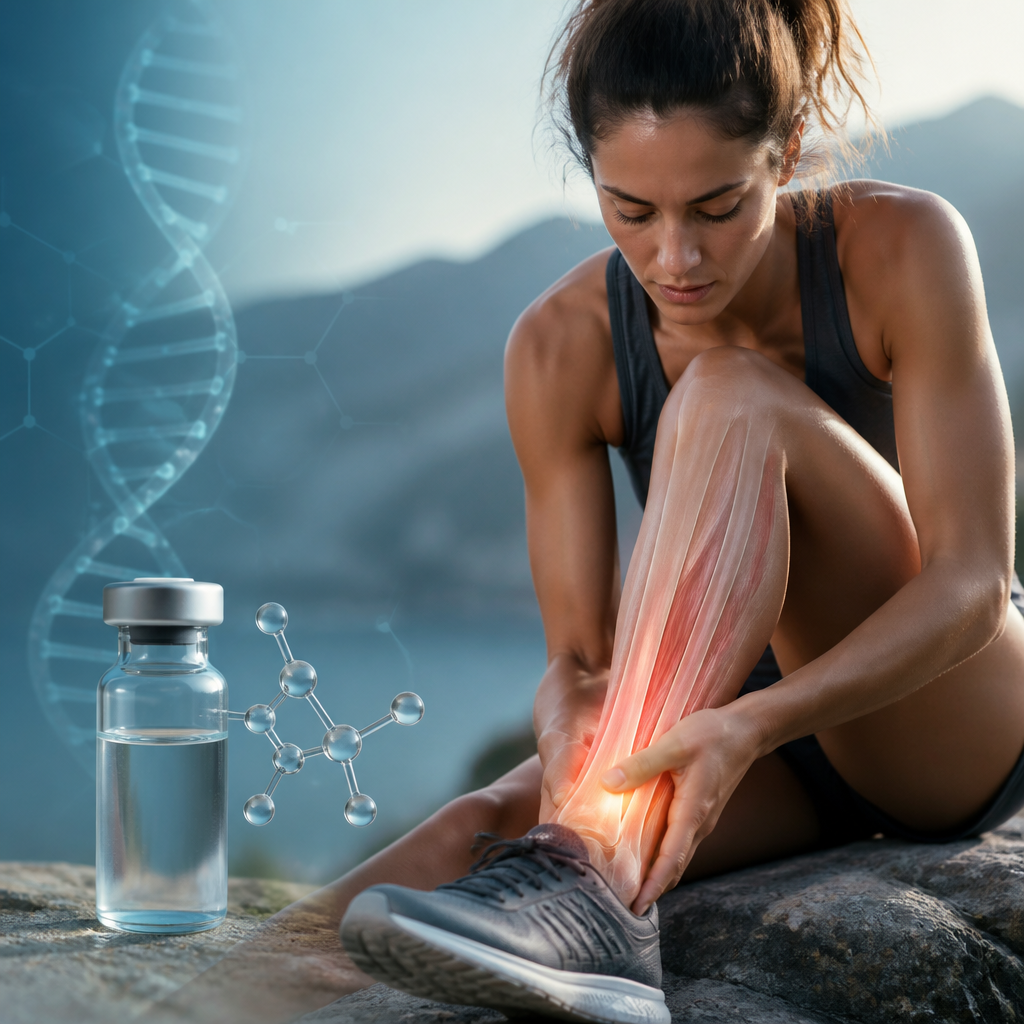
If you have ever dealt with a stubborn tendon injury, you know how frustrating the recovery process can be. Unlike muscles, which have a high blood supply and heal relatively quickly, tendons and ligaments receive limited blood flow. This often results in months of physical therapy and lingering discomfort.
Enter BPC-157 (Body Protective Compound-157). Derived from a protein found in human gastric juice, this synthetic peptide is making waves in the wellness and athletic communities for its remarkable ability to accelerate the healing of connective tissues.
Bio-Reparative Properties of BPC-157
BPC-157 is often referred to as a "stable gastric pentadecapeptide." In simpler terms, it is a sequence of 15 amino acids that is highly resistant to degradation. When introduced to the body, it acts as a signaling molecule that triggers several restorative biological processes.
1. Promoting Angiogenesis
One of the primary reasons tendons heal slowly is their lack of vascularity. BPC-157 promotes angiogenesis, the formation of new blood vessels. By increasing the density of the vascular network in a damaged tendon, the body can deliver more oxygen and essential nutrients to the site of the injury, effectively speeding up the biological clock of recovery.
2. Upregulation of Growth Factors
BPC-157 has been shown to increase the expression of specific receptors, such as the Growth Hormone receptor, on tendon fibroblasts. Fibroblasts are the cells responsible for creating collagen. When these cells are stimulated, they produce the structural proteins necessary to rebuild the internal bridge of a torn or inflamed tendon.
3. Modulation of Nitric Oxide
Nitric oxide (NO) plays a complex role in healing. While some NO is necessary for recovery, too much can lead to chronic inflammation. BPC-157 helps balance NO production, ensuring that the inflammatory response is productive rather than destructive.
The Benefits for Tendonitis and Ligament Tears
Whether you are a professional athlete or a weekend warrior, injuries like golfer’s elbow, jumper’s knee, or Achilles tendonitis can be debilitating. Here is how BPC-157 specifically assists in these scenarios:
- Reduced Pain and Inflammation: Many users report a significant decrease in localized pain within the first week of use, as the peptide helps dampen the inflammatory cascade.
- Improved Structural Integrity: Research suggests that BPC-157 doesn't just "patch" the injury with weak scar tissue; it helps the tendon fibers regain their original strength and elasticity.
- Synergy with Physical Therapy: By reducing pain and improving tissue mobility, BPC-157 allows individuals to perform their rehabilitation exercises more effectively, creating a positive feedback loop for recovery.
BPC-157 vs. Traditional Methods
Conventionally, tendon injuries are treated with NSAIDs (like Ibuprofen) or corticosteroid injections. While these provide temporary relief, they can actually inhibit long-term healing. NSAIDs interfere with the natural inflammatory process needed for repair, and repeated steroid injections can weaken the tendon over time.
BPC-157 offers a fundamentally different approach. It works with the body's natural regenerative systems to solve the underlying structural issue rather than simply masking the symptoms.
How to Incorporate BPC-157 Safely
At Better Body Lab, we believe that education is the foundation of wellness. If you are considering BPC-157 for tendon recovery, it is important to understand the protocols.
Most research suggests that BPC-157 is effective when applied systemically, as it has a high systemic bioavailability. Many users prefer localized administration near the injury site, although current data suggests the peptide will find its way to the area of damage regardless of the entry point.
Conclusion
Tendon injuries no longer have to mean months on the sidelines. By harnessing the power of BPC-157, you can support your body’s innate ability to repair, rebuild, and return to peak performance. As with any wellness protocol, we recommend consulting with a healthcare professional to ensure your recovery plan is optimized for your specific needs.
Are you ready to stop managing the pain and start the healing? Explore our resources at The Better Body Lab to learn more about the future of regenerative health.